
The clinical training framework tells us that CBT is the first-line, evidence-based treatment for depression. That phrase - "evidence-based" - carries enormous weight. It suggests that if applied competently, the treatment should work. That non-response is the exception, not the rule.

But somewhere along the way, anxiety crept in. Not the kind that goes away after a good night's sleep, but the persistent kind that wakes you at 3 AM wondering if you're doing enough, if you can keep going, if something's fundamentally wrong with you...

Inhalation activates your sympathetic nervous system-the one responsible for your stress response. That racing heart, those tense muscles, that feeling of being ready to fight? That's sympathetic activation. Exhalation activates your parasympathetic nervous system-your calming response.

But when your chest tightens for no reason while you're painting watercolors, when your hands shake over an illustration of fairies, when nausea rolls through you in the middle of a peaceful nature walk-it doesn't feel like something Jesus could understand.

For two minutes, you feel relief. Then another thought arrives: But what about that sin I didn't mention? You're right back where you started. Only now you feel guilty for doubting. If prayer-the spiritual practice that should bring peace-leaves you more anxious than when you began, you're not spiritually immature.

And still, nothing changes. You leave sessions feeling the same knot of anxiety in your chest. The same patterns play out in your relationships. The same thoughts circle through your mind at 3 AM. You start to wonder: Am I not trying hard enough?

The surface tells a clear story: your partner can't handle what she used to handle. Bills pile up. Simple decisions paralyze her. She withdraws from activities she once enjoyed.

Your mind is calm. Your thoughts are focused. You're not worried. Yet your stomach revolts like clockwork before every important meeting, as if it's reading your calendar and preparing for battle while you're mentally preparing your presentation.

Studies on prayer and anxiety show that prayers asking for specific outcomes - what researchers call "prayers for support" or "prayer efficacy" expectations - correlate with higher anxiety, not lower. When you expect to receive particular answers from God and those responses don't align with what you hoped for, the disappointment and uncertainty actually foster more anxiety.

Here's what actually happens in your body when conflict escalates: your heart rate spikes, your face flushes, your thoughts race. This isn't weakness or poor emotional control. This is your nervous system flooding with norepinephrine-the chemical that powers your fight-or-flight response.

Here's what nobody tells you: if meditation made you more aware of your anger, you didn't fail at the practice. You succeeded at the first stage. We've been taught that meditation is supposed to make you feel calm. That's the promise in every app description, every article, every testimonial.

So you did. For years, you practiced exactly what felt intuitive-what everyone seemed to agree was healthy. You found your release valve and used it religiously. But somewhere along the way, you started noticing something unsettling. The fuse got shorter. The triggers multiplied. The anger came faster and burned hotter than it used to.

Meanwhile, everyone around you seems to be living that "victorious Christian life" - joy in all circumstances, answered prayers, triumph over every challenge. The contrast makes you wonder: Can genuine faith and ongoing psychological battles actually coexist? Or does the medication bottle in your cabinet mean something is fundamentally wrong with your spiritual standing?

What's actually paralyzing you is the invisible assumption that disclosure works like a light switch - either everyone knows or no one knows. Research shows 68% of people with mental illness practice selective disclosure. They choose specific people in specific contexts.

You've been operating on a clear distinction: physical problems have physical causes, psychological problems have psychological symptoms. Dizziness and balance problems belong firmly in the physical category. They're measurable, observable, mechanical.

Here's what almost no one explains when your medical tests come back normal: those results are actually giving you crucial information. When your scope shows no tumors, no growths, no structural abnormalities-that's not the doctors missing something. That's confirmation that whatever is creating this sensation isn't causing damage and isn't a physical blockage.

The worst part? There's no reason for it. No stressful thought preceded it. No obvious trigger. Just your body seemingly malfunctioning out of nowhere. And that randomness terrifies you more than the panic itself. When panic attacks appear without warning, your mind searches desperately for...

Your heart pounding so hard you could feel it in your throat. Chest pressure like someone sitting on your ribcage. Sharp pain shooting down your left arm—the textbook warning sign they tell you never to ignore. You did everything right. You went to the ER. You got checked out. And then they told you it was anxiety...

You've probably heard the warning: "If you use AI too much, you'll become dependent on it." It sounds reasonable. Maybe you've even felt it yourself. Here's the thing: the research doesn't support this fear. At least, not in the way most people think...

Every morning, you choose the mask. The bright smile for your students. The cheerful "Just tired from grading!" when colleagues ask how you're doing. The careful navigation away from any conversation that might get real. You've become an expert at hiding your depression...

You're not imagining this. And the solution isn't more sleep. When you tell someone about persistent fatigue, the advice follows a predictable pattern. Sleep specialists talk about sleep hygiene: consistent bedtimes, dark rooms, no screens before bed. Your primary care doctor checks for the usual suspects-anemia, thyroid dysfunction, vitamin D deficiency.

This is the peculiar cruelty of high-functioning depression: your ability to succeed becomes the very thing that makes your struggle invisible. The depression is real. The severity is real. What's different is that you've learned to maintain external performance despite the internal experience.

So you tell yourself to be more grateful. You remind yourself how good you have it. You feel guilty for being unhappy when you have so much. And somehow, that makes everything worse. Here's what almost no one tells you: you're looking at this completely wrong.

You know what you should be doing—you can see the work piling up, the dishes in the sink, your running shoes gathering dust—but when you try to move, it's like your body just... won't. And the worst part? You're wondering if you're just weak now. If something fundamental has changed about who you are.

Your therapist says it's depression. Your psychiatrist adjusted your medication. You're trying. You're doing everything right. And yes, you feel less sad than you did six months ago. But you still can't think like a lawyer, and thinking like a lawyer is the only thing that matters. Here's what research has revealed: Mood symptoms and cognitive symptoms in depression are related but dissociable.

When you can't sleep and you're depressed, the assumption seems obvious: the depression is the real problem. The insomnia is just a symptom. But research has revealed something that changes everything: the relationship is bidirectional. Both conditions genuinely cause and worsen each other in a reinforcing loop.

Most people ask: "Am I sad enough?" or "Am I being weak by not just pushing through?" They look inward at the feeling itself, trying to gauge its intensity on some invisible scale. But here's the problem: clinical depression and severe normal sadness exist on a continuum. Without specific criteria, you can always rationalize "maybe it's not bad enough" or "maybe I should just be tougher."

The surface symptoms are unmistakable, even if you've been dismissing them. You still do things. You water the plants, show up to work, scroll through photos, solve puzzles. But it's all motion without meaning. Life has lost its texture, its color. Where there used to be small moments of joy-a leaf unfurling, a beautiful photograph, an animal recovering-there's now just... absence.

It's an unsettling question. When you look back at where you live, the career choices you've made, even the relationships you've pursued or avoided-there's this uncomfortable possibility that anxiety wasn't just influencing your decisions. It was making them. While you thought you were choosing, fear was quietly operating as a gate, only letting certain options through.

Three generations with the same anger pattern, yes-but also three generations who received zero emotional coaching. Your father exploded, then acted like nothing happened. Nobody talked about it. When you got angry as a child, you were sent to your room. Alone. Silent.

Most people assume the problem is the strength of their defense mechanism-that their anger is just too powerful, too entrenched, too automatic. They think: "I've been angry for so long that I've built an impenetrable wall." Or they blame their willpower: "I'm just not pushing hard enough to get through."

Your brain has a threat detection system that runs constantly, scanning your environment for danger. This system operates automatically, below conscious awareness. When it detects a potential threat-someone calling out last minute, a customer complaint, corporate changing policies without warning-it doesn't wait for your permission to respond.

When anger feels like it comes out of nowhere, most people-including you-blame the same thing: the anger itself. But here's what's really happening: the warning signs exist. Your body is sending them. But you haven't learned to detect them yet.

Not just annoyed-furious. Chest tight, face hot, words you can't take back flying out of your mouth. And even as you're yelling, part of you is watching in horror thinking, "Why am I like this? It's a dish." Your wife looks at you like she doesn't recognize you.

You're patient with difficult people at work. You handle stress that would break others. But at home, you snap over dishes left in the sink. Plans change and you feel rage rising. Fifteen minutes later, you're drowning in guilt.

I shared an article about how anxiety causes real physical symptoms - the headaches, tight shoulders, churning stomach - even when doctors find "nothing wrong." A friend responded with a beautiful devotional about God being the Alpha and Omega. This response reflects a common Christian perspective, but I believe it misses something important.

Here's what makes this worse: you know this matters. Pick wrong and you either waste money on features you'll never use, or spend months frustrated with a platform that can't do what you actually need. The deadline isn't helping-time pressure makes everything feel urgent and nothing feel clear.

The question loops endlessly: Were my conversations used to train AI models? And underneath that question sits a deeper fear-that somewhere in the parameters of an AI system, your clients' confidential information is now embedded, irretrievable, waiting to leak out.

But when it comes to your own professional development, you've told yourself a different story. The "real" coaching-the kind that could actually help you-costs $300 an hour. Maybe more. Those are the coaches with extensive credentials, published research, the ones who can really dive deep into your specific situation.

Everyone-privacy advocates, security experts, well-meaning articles-has told you the same story: people disclose sensitive information to digital platforms because they do not understand the risks. If they really knew what happens to their data, if they truly grasped the potential consequences, they would protect their information better.

When you look at free career coaching tools and feel that spike of anxiety-this is probably garbage, I'll waste my time-you've probably assumed that feeling comes from one of two places: You think it's about the tools themselves. Free tools must be lower quality. If they were actually effective, they'd cost money.

But when someone asks if it's actually helping, you pause. Is it? You've been paying for this for months. You engage regularly. You feel... something. But you couldn't point to a single concrete change in how you lead. The investment continues. The engagement continues. And the nagging question continues: is this genuinely developing you, or just providing the illusion of progress through regular activity?

On one side: ChatGPT. Free. Accessible. You open a conversation, talk through what you're stuck on, get some guidance, close the window. Repeat weekly. You're making progress-two of your three music track goals are on track. On the other side: Slick platforms with progress dashboards, structured programs, AI that "remembers your journey," testimonials from people crushing their goals.

When you deliberately keep your voice steady even though you're upset inside, what information is actually available for the AI to work with? Just your words and your controlled tone. The distress isn't in the signal at all. It's not that the AI is missing something that's there-the emotion isn't observable.

You're professionally exposed either way. Recommend AI and you might be throwing millions at overhyped technology. Recommend human coaching and you might look like you're resisting innovation. What you need is legitimate, rigorous research comparing outcomes-research you can confidently cite to protect both your organization's investment and your professional credibility.

It's not that you haven't tried. You've experimented with different AI coaching apps, different accountability systems, different ways of framing your goals. You show up for your exploration group when you've committed to urban exploring, you practice hand lettering every night when you're excited about a new script, you never miss a live comedy show you've bought tickets for.

Here's what research actually shows: AI coaching has documented limitations in crisis situations, and waiting until you're obviously failing misses the point entirely. Studies from 2024 reveal something critical that most people don't know: AI mental health chatbots systematically fail at crisis management.

Think about the last time you built something with genuine complexity-maybe a piece of Japanese joinery with multiple interdependent angles, or assembling a mechanical watch movement where dozens of components must align perfectly. Did you hold all those specifications in your head? Or did you externalize them?

You end up saying vague things about "the human connection" or "accountability" that sound weak even to your own ears. Meanwhile, the pressure mounts: Why not just use an app? Why not read more books? Can you really defend spending that much for an hour of conversation?

You're not alone in this pattern. And you're not foolish for expecting more. What you're experiencing reveals something fascinating about how change actually happens-and it's not what most people think. When you're struggling emotionally, the conventional wisdom says: get support, talk through your feelings, receive validation and guidance.

Research reveals something most people never consider: interview failures often stem from invisible signals you're sending that you cannot self-observe. When you're anxious during an interview, your body produces specific nonverbal behaviors that significantly lower the competence ratings interviewers assign to candidates.

The logic seems airtight: To get coaching that accounts for your unique context, you need a coach who shares your background. Someone who understands what it's like moving from working-class roots into white-collar expectations. Who knows the specific friction of code-switching between worlds.

And you're doing the math. Four areas. Limited budget. The guilt of choosing feels like admitting defeat before you've started. So you're stuck, researching which AI coaching apps might be good enough, wondering if you're setting yourself up for failure by not investing in human expertise, paralyzed by the question: Where do I spend my limited resources?

Now you're looking at AI coaching, and something doesn't add up. How can a machine replicate that kind of relationship? How can software know when to push versus when to support? The stakes are high: your colleagues who can afford human coaches will keep advancing while you... what? Plateau with an inferior substitute?

You're managing five departments while your colleagues manage one. You've been handed seven additional projects because others couldn't deliver. Your father calls late at night expecting you to solve problems that could wait until morning. Your mother needs constant answers. And somehow, despite all this competence and capacity for others, you walk past the same items twenty times without putting them in the cupboard.

You've had a migraine since Wednesday. Your head is pounding, you're exhausted, and you desperately need rest. But when your best friend asks for help, you hear yourself saying yes anyway. Or maybe it's your sister's friend who's been staying at your house four to five nights a week without your permission.

You reach for your phone again. The third time in ten minutes. Still no response from your daughter to the text you sent two hours ago-the one asking how her day went, sharing that funny meme you thought she'd like, checking if she's okay. Your chest tightens. Your mind starts spinning: Is she angry with me?...

You've done everything right. You've suggested activities you could do together-baking, crafts, walks. You've read the books on love languages and tried to speak theirs. You've communicated your needs clearly: acts of service, words of affirmation, feeling connected. You've been vulnerable enough to say "I'm getting quite close to just not wanting to do this anymore." And still, you're sitting here feeling like roommates instead of partners.

You've been trying so hard. You've bent over backward to be understanding when your adult daughter goes cold. You've bitten your tongue when her moods swing from warm to icy without warning. You've rearranged your life around her unpredictable availability...

Your chest tightens. The text from your daughter was curt-again. You feel that familiar surge of panic: What if she cuts me off from the grandchildren? Your fingers hover over your phone. Maybe if you send a thoughtful gift...

Your heart is racing. You can feel your manager's eyes on you. The task in front of you should be simple-you've done it dozens of times-but suddenly your brain feels like it's wrapped in fog. You just need to get through this without messing up. So you move faster. Finish the task. Get it done. Escape the feeling.

You're not avoiding the tasks. You're avoiding the decisions. Before you can start, your brain has to answer dozens of micro-decisions. Research on decision fatigue shows making decisions depletes the same mental resources you use for self-control. Your brain isn't lazy. It's exhausted from deciding.

His teacher sent another glowing email today. She's such a joy to have in class, she wrote. Always respectful, follows directions beautifully, gets along wonderfully with other children. You stare at the screen and wonder if she's talking about the same seven-year-old who spent the last hour teasing his sister until she cried.

And yet somehow, the more you give, the further they seem to pull away. You're not imagining this. There's a reason your most generous efforts produce the opposite of what you're hoping for. And it has nothing to do with whether you love enough or try hard enough. It has everything to do with something that happened when you were three years old.

You've done the work. You've named the pattern. You can see the scapegoating dynamic clearly now. So why does the shame still feel so heavy? For years, the therapeutic advice has been consistent: write about your experiences. Process them. Organize them. Put words to what happened.

You've been doing it for 15 years now. Eight hours at work, where nothing ever matches the standard in your head. Production makes the same mistakes. Management sets impossible targets. You fix everything, again, while the frustration builds like pressure in a sealed container. Then you come home. Your wife knows the signs. Your kids disappear to their rooms.

You're texting again. The third message in two hours, each one a little more desperate than the last. Your daughter hasn't responded to your invitation, and that silence is crushing your chest like a physical weight. You know you should stop. You know you're doing the thing you promised yourself you'd never do again. But the panic rising in your throat demands action, demands proof that you still matter, that you haven't been abandoned.

You're sitting in your accounting lecture, and somewhere around the fifteen-minute mark, you realize you've lost the thread. The professor is explaining something about debits and credits, but your mind checked out three slides ago when you didn't understand a key concept. The familiar thought arrives: I've missed it now. I'm already lost, so what's the point? Your hand drifts toward your phone. Your attention drifts further away.

You've been doing the work. You've filled pages with honest reflections about your mother, about the years you couldn't speak freely, about cancer treatment when you felt you had to smile and wear the wig and never complain. You've organized your thoughts into sections, created structure where there was only chaos. And it's helped. You can see the patterns now. But something still feels trapped inside, doesn't it?

You've done the work. You've reduced your depression and anxiety from moderate-severe to mild. You've gone from feeling no control over binge eating to actually being able to stop the behavior. You can watch television nearly every night now without that crushing guilt that once made relaxation impossible. And yet. When you spent two hours organizing your therapy materials yesterday, that familiar wave of shame washed over you...

Your phone rings at work. Before you even see who's calling, your chest tightens. Don't screw this up, you think. By the time you answer, you're already scanning for what they need, how to make them happy, whether they'll think you're competent. It's exhausting.

The visible symptoms are everywhere once you start looking: The constant apologizing. You say "sorry" when someone bumps into you. The reassurance loops. Checking in with your partner about whether they're upset. The decision paralysis. Every choice triggers a cascade of worry about others' potential reactions...

Your identity has been built on being the reliable one. The one who delivers. The one who never says no. But after being publicly called a liar in front of your colleagues-despite having the data-something fundamental broke. Now you're questioning everything: your capabilities, whether you deserve your seat at the table, whether every manager has a hidden agenda.

You've rehearsed it a hundred times. You know exactly what you want to ask. But every time you think about actually saying the words-"Can I see the baby when she's born?"-your throat closes up and your mind floods with every possible version of rejection. So you say nothing. And the silence becomes its own kind of torture.

You've made remarkable progress. The anger that used to stick with you until the next day now fades in about 20 minutes. But here's the question worth asking: what if those 20 minutes could become five? What if the difference between holding onto frustration and releasing it quickly wasn't about what happened, but about something you're doing in those moments that nobody talks about...

But there's this other thing happening-the thing that makes your brain refuse to shut off at night. Your colleague walks by and asks, "How many calls have you done today?" And before you can answer, she's already telling you she's done twice as many. You feel it in your chest: I'm not good enough.

You've probably called this procrastination. Maybe you've beaten yourself up about it. Called it a bad habit. Told yourself you just need more discipline, more willpower, more focus. What if I told you that everything you've been doing to fix your procrastination is actually making it worse?

Your supervisor catches you in the hallway with an unexpected question about a project. Your heart starts racing. Pressure builds in your chest. And then-nothing. Your mind goes completely empty. You can't form words.

You've documented it all. Every incident, every moment that still stings. The time she asked the hospital to assess you for learning disabilities while you were fighting cancer. The wedding where she couldn't just be happy for you. Last week when you praised someone and instead of acknowledging your excitement, she immediately brought up another similar situation, dismissing what you'd shared. You went flat, like always.

You've been working so hard at this. Watching what you say, measuring how you come across, trying to make sure people don't see you as "not good enough." Every conversation with someone new feels like a test you might fail. You rehearse what you'll say, second-guess yourself mid-sentence, and walk away wondering if they judged you.

You've tried preparing conversation topics ahead of time. You've rehearsed what you might say, imagined how different scenarios could unfold, even practiced responses in your head for days before a church event. By the time you actually arrive, you're exhausted. And then you go quiet anyway.

You're driving to your mother-in-law's house when you see it: your sister-in-law's car in the driveway. Without thinking, your foot eases off the gas. You keep driving past. You don't stop.

If you grew up with a critical or emotionally unpredictable caregiver-someone where your worth felt conditional, where nothing you did was quite good enough-your brain built something psychologists call hypervigilance to social threat. Your nervous system became exceptionally skilled at detecting even tiny signs of disapproval.

You've been working on this. The therapy sessions that leave you exhausted but hopeful. The meditation practice you've maintained for years. The two times you successfully spoke up to your partner instead of swallowing your annoyance. You forced the words out about the morning routine. You sent that text when you felt excluded instead of typing and deleting for twenty minutes.

You've been putting in the hours. Sixty-hour weeks, meticulous attention to detail, checking and rechecking your work. You delivered that project, completed that financial documentation, stayed late to make sure everything was perfect. And then your boss pointed out something that could be improved. The floor dropped out. All those hours, all that effort-none of it registered.

The phone rings. It's your sister. Before she even finishes asking if you can watch the kids in an hour, your chest tightens. Your mind floods with questions: What if I make everyone late? What if I'm not prepared? What if they need something I don't have? You say yes anyway. You always do. And then you spend the next hour in a spiral of anticipatory panic about problems that haven't happened and probably won't.

Your partner asks how you're doing. "I'm okay," you say automatically. But you're not okay. You're carrying something heavy—stress from work, worry about a decision, that conversation that's been replaying in your mind. Your partner doesn't push. You both move on. And later, alone even though you're together, you feel that familiar loneliness creeping in.

Your stomach tightens. The instant internal conflict starts: I should help them immediately crashes into but I had other plans. You overthink what to say, searching for words that won't sound selfish, won't trigger that corrective tone she gets. By the time you respond, you're already anxious-and you haven't even decided yes or no yet.

So you stopped asking for things. You handle everything yourself. When something your partner says stings-like "I have enough to do"-you don't bring it up. You interpret it as "you're not good enough," go away, clean yourself up, come back fresh.

You've been working on this for a while now. You've read about assertiveness. You've tried setting boundaries. You've practiced saying "no." You've worked on identifying your needs and communicating them more clearly. And you've made some progress. You can see the logic. You understand why it matters. You know what you're supposed to do.

If you find yourself spiraling less about the actual problem and more about managing everyone else's emotional response to it-something deeper is going on. And what you've been blaming isn't actually the cause.

You're doing everything right. You're in therapy. You're exercising-running that Couch to 5K, cycling to the gym. You're showing up for your children, for your work, for all the obligations that fill your calendar from morning until night. You even took time off, hoping it would help. But instead of feeling better, you feel worse.

Your partner asks what you want for dinner, and your mind goes blank. Not because you don't have preferences-but because stating one feels dangerous somehow. Like you're being demanding. Taking up too much space...

You've done the work. You wrote out your reasons for leaving-eleven of them. You started breaking the rituals, eating separately, watching TV in different rooms. The decision was starting to feel real. Then the crisis hit and your partner showed up differently...

Your mother said something that cut deep, that familiar awful feeling flooded your chest, and before you even realized it, your thumb was finding their contact. Your partner answered. They were kind, reassuring, exactly what you needed in that moment. And somehow that made everything worse...

You finish explaining where you're going, why you're going, when you'll be back, what you'll be doing there. Before he even asks. You watch his face for confusion, and when you see it-that slight furrow-you jump in with more details...

You've spent two hours absorbing his work stress. He came home tense, and you couldn't just let him sit with it—you listened, problem-solved, tried to fix it. He went to bed fine. You lay awake until 3 AM...

You've been trying to explain it to your partner for years. You've found new ways to say it. You've tried patience, directness, vulnerability, research articles. You've had the same conversation dozens of times...

What most people don't see when they "manage" their partner's reactions is an invisible system running behind the scenes-one that was installed decades before they ever met their spouse. It's called compulsive caregiving...

When most people experience ongoing exhaustion and sluggishness-especially when it comes with food cravings that don't match actual hunger-they immediately blame lack of willpower. Not eating disciplined enough. Not trying hard enough. Not being strong enough...

You've worked on your tone. You've picked the right moments. You've learned to be calm and rational when addressing something that upsets you. But somehow, the other person still reacts defensively. You can feel it happening-their walls going up the moment you start to speak, even though you're being so careful about how you say it...

With your colleague: You spot the same defensive patterns, the same manipulative moves. You think several steps ahead. You gather information. You escalate strategically to senior management. You navigate the discomfort when she suspects you. You're operating in what you've called your "game mentality"...
With that difficult colleague at work, you can see the defensive moves coming, spot the manipulations, stay strategic. But with your partner? It's like all that skill evaporates. You see something toxic and you're calling it out immediately...

You learned something crucial in that house: the safest version of yourself was the invisible one. The people-pleasing isn't a strategy-it's protection. The anxiety isn't a defect-it's survival architecture from childhood emotional invalidation...

You find yourself asking your therapist, your partner, your friends: "Do you think this is the right choice?" You can't move forward until someone else confirms you're not making a mistake. And then you hate yourself for it...

But you're still there. Still in the relationship. Still feeling like you're "living in a war zone" inside your own head. And every day, the guilt gets heavier. The catastrophic predictions get louder...

When most people struggle to set a boundary they know they need, they immediately blame their own weakness. Not assertive enough. Too afraid of conflict. Lacking courage or willpower. But here's what's strange: in 73% of cases I've worked with involving boundary-setting paralysis, the person demonstrates courage in other areas of their life...
Then you're face-to-face with your partner. Your chest tightens. The words dissolve. You hear yourself saying something entirely different, or nothing at all. Later, alone again, you wonder what happened. Where did all that clarity go? If you've experienced this pattern-conviction when alone, paralysis when together-you've probably blamed yourself.

You've tried to leave five times. Each time, the same crushing weight lands on your chest. So you stay in a relationship that stopped feeding you years ago, and you hate yourself a little more each day for not being strong enough to just go. But here's what almost no one tells you about why you're stuck: You're aiming at the wrong target entirely.

You've been working on it for months. The intrusive images from the workplace trauma. The pattern of reaching for takeaway orders when stress hits. The silence on calls when you know you should speak up. You've made progress-real progress. But somewhere along the way, you accepted a quiet assumption: you'll be managing these symptoms for the rest of your life.

Almost every resource on trauma recovery focuses on the same essential elements: understanding what happened, processing memories, learning it wasn't your fault, developing self-compassion. But there's a critical distinction these approaches often overlook entirely-a single factor that research shows can determine whether trauma processing actually leads to healing or keeps you trapped in the same cycle.

You have made remarkable progress. Your PTSD score dropped from 55 to 11-an 80% improvement. Except for that one piece you are still avoiding. The school trauma. Discover how completing unfinished trauma healing can naturally dissolve persistent emotional eating patterns.

You know the pattern. A difficult day working from home. That restless feeling. A thought about food appears, and immediately you snap at yourself: Not again. What's wrong with you? Just don't do it. But the urge gets louder, not quieter. The thought you tried to push away keeps coming back, more insistent each time.

It's 9:47 PM. You've finished dinner hours ago, but you're standing in front of the cupboard again. Your hand reaches for the chocolate. Then the crisps. Maybe some sweets after that. You tell yourself this is the last time, that tomorrow you'll have more discipline.

You know that feeling when a memory hits and suddenly your chest tightens, your breath catches, and you're not quite here anymore? When the disconnection settles in so deep that getting involved with anything-people, plans, even your own life-feels like trying to swim through glass.

When you're with others, part of your brain activates a monitoring system. You perform happiness rather than feel it. This constant monitoring creates emotional disfluency—losing access to your authentic emotional experience.

For years, trauma therapy has operated on a simple premise: avoidance keeps you stuck, exposure sets you free. But when you try to access difficult memories, you hit a wall. Emotional flatness. Nothing. Here's what's actually happening: Your nervous system is hitting a circuit breaker...

You're looking at your progress through the wrong lens. There's a piece of the exposure therapy puzzle that almost nobody talks about, a shift in understanding that changes everything, and a mechanism working behind the scenes that most people never learn about.

The extreme restriction that used to run your life has loosened to maybe 70-80% balance. But you're still automatically counting calories. Still avoiding Five Guys because it's 2,000+ calories. Still getting rigid at cocktail events when you don't know how many bites to take.

So why are you shaking in the passenger seat? Why are the tears coming? And why, more than anything, are you furious with yourself for falling apart over something that almost happened but didn't? Discover what's actually causing your emotional spirals and learn the simple skill that keeps single emotions from cascading into hours of distress.

You know the moment. That familiar tightness in your chest during a work call. The rising heat when someone makes yet another "urgent" request. You think to yourself: Here we go again. I'm getting wound up. You see it coming. You recognize the pattern. You're aware. And then it happens anyway...

You're sitting in a meeting that hasn't started yet. Just two minutes of waiting. And already your mind is replaying that email you sent this morning-should you have worded it differently? Then it jumps to the presentation next week. Then to whether you're falling behind on that project.

When your relationship feels like walking through a minefield, the natural assumption is that you're stepping wrong. Maybe you're not communicating clearly enough. Maybe you need to be more helpful around the house. Maybe if you just tried harder to understand what they need, stopped making excuses when your back hurts, loaded the dishwasher the right way-maybe then the criticism would stop.

You've tried everything. The breathing exercises. The positive self-talk. The therapy notes you reach for when your chest starts aching and your brain screams that something's catastrophically wrong. You've tried to calm yourself down, reason with the panic, remind yourself you've survived this before.

It's only later-maybe that evening when you're talking to someone you trust, or sitting alone replaying the conversation-that you realize: wait, that didn't make sense. That contradicted what they said last week. That wasn't reasonable.

You're sitting on the train, and suddenly your chest feels tight. Your mind starts racing-jumping from thought to thought, searching for what's wrong. Why am I anxious? What triggered this? But the harder you search, the faster your thoughts move, and the tighter your chest gets.

By the time you reach the end of this page, you'll stop questioning if you're enough and start trusting that your voice matters—all on its own. You've spent years trying to be better. More organized. More capable. More put-together. You apologize before you even know if something was your fault.

By the time you read the last paragraph, you'll know how to build the emotional strength that makes healing possible—by working with your biology, not against it. You've done everything right. You're using calming strategies. You're practicing distraction techniques when the anxiety spikes.

You've been told to push through. To stay strong. To keep the difficult memories locked away and focus on getting through each day. And for years, this approach probably worked. When deadlines loomed or crises hit, you could compartmentalize, bury the emotions, and get things done.

You have your work persona-professional, put-together, boundaries firmly in place. Your best friend persona, where vulnerability is possible but carefully measured. Six different versions of you, moving through your day. Is this fragmentation or adaptive flexibility?

Before you finish reading this, you'll discover a simple shift in how you speak about your feelings that rewires your brain, releases decades of carried shame, and opens you to fully receive the love you've always deserved.

You're exhausted. Again. You review the day: checked some emails, did a load of washing, watched TV. Nothing major. Yet here you are at 6 PM, completely wiped out. Mental activities consume real biological energy from the same limited pool as physical tasks.

You've done the work. You created a detailed document-ten pages cataloging fifteen different moments when your mother dismissed you, invalidated you, made you feel invisible. You thought getting it all down on paper would help. But it didn't...

Your body is sending clear signals: the fog in your head, the ache in your muscles, the exhaustion that makes every movement feel like pushing through water. You're sick. Your body is asking-practically begging-for rest. And yet, you push through anyway. Here's what makes this more than just "powering through"-there's a pattern underneath it...

You've spent 90 minutes trying to reach Citizens Advice, navigating phone menus and hold music, only to be disconnected. And your first thought isn't "their phone system is terrible." It's "I can't even make a phone call right." The toilet problems persist despite multiple contractor visits...

You're back at work after your breakdown. You should feel relieved, grateful even. Instead, you're drowning. They've given you three major projects-complex ones, the kind that require deep strategic t

You send Marcus a message: "Hey, could you finish the quarterly report by Friday if you get a chance?" Friday arrives. Half the report is done. You don't follow up because you know he's been dealing w

You've done everything right. Your anxiety dropped from 20 to 4-an 80% improvement that exceeded every target you set. Depression scores hit the goal. You're sleeping peacefully instead of lying awake

You stay late again, correcting the errors in a report that wasn't yours to write in the first place. Your calendar shows back-to-back meetings tomorrow, but you know you'll somehow squeeze in three m

You've been managing your anxiety the way everyone says you should. When something makes you anxious, you step back. You stay within your comfort zone. You tell yourself it's okay to take a break, to.

You're four months into constant pain. The skin graft donor site feels like burning at a hundred times normal intensity, and the painkillers barely touch it. This is your third round of grafts, so you

You've been here before. The initial improvements that felt so promising have dissolved. You're working every weekend again. The dizziness from too many sleepless nights has become your new normal. Yo

You've been trying so hard to keep things from getting worse. You check your weight. You monitor how your face looks. You review your work emails multiple times before sending. When your girlfriend cr

It's 11 PM. You're lying in bed, mentally running through tomorrow's audit tasks. Which items should you prioritize? Did you allocate the team's work fairly? Is there something critical you're forgetting? You tell yourself this is productive.

You know the work is good enough. You know that staying up until 4 AM to delete dots from a file is objectively ridiculous. You know you should say no to new projects when you're already maxed out. But somehow, knowing doesn't help.
Your operation is tomorrow. You've been to the hospital twice a week for months, watching them redress your wound, applying artificial skin that still hasn't closed the way it should. The doctors won't tell you exactly what they're going to do tomorrow-they brush off your questions like you're being difficult. Your heart is racing just thinking about it.

You've been trying to stop for two decades. Twenty years of promising yourself this is the last time. Twenty years of succeeding for a few weeks, maybe a month, then crashing back harder than before. Twenty years of searching for the spiritual discipline, the moral strength, the sheer determination that would finally make it stick.
You've made remarkable progress. The strategies you learned-compartmentalizing worries into specific times, journaling your concerns instead of spinning on them, using the devil's advocate approach to challenge catastrophic thinking-these dropped your overwhelm from 100% to 40%.

You're cooking dinner, monitoring the kids, and you catch yourself mid-thought-rehearsing what you'll say to your mum about therapy. Again. Here I go again, you think. Overthinking everything. Or maybe you're imagining scenarios about the school transition in September, planning how you'll handle the drop-off anxiety, and suddenly you stop yourself: Why am I still doing this? I thought I was getting better.

Your mother mentions she's feeling tired. Within seconds, your brain has already constructed a complete narrative: she has a serious illness. You're imagining doctor visits, treatments, outcomes. Then the thought shifts to your daughter-what if something happens to you while she's still young? What about her education? What if your wife gets sick too?

It's 2am. Your mind is cycling through everything again. Your daughter's unexplained stomach issues. The conversation with your mum's neurologist about her Alzheimer's diagnosis. Whether you're keeping up at work despite your vision problems. Every responsibility demanding attention, all at once, while you lie there unable to sleep.

When you finish this page, the connection between feeling flat and thinking something's broken in you will snap. Most people don't realize that improvement can show up in numbers before it shows up in feeling.

The heaviness starts the night before. Your chest tightens. Sleep becomes elusive, your mind already anticipating tomorrow's stress. By the time you arrive at work, you're on edge-waiting for something to go wrong, bracing for the next mistake.

You pull into the parking lot, and the tears start before you've even turned off the engine. Again. You sit there, gripping the steering wheel, asking yourself the same question you've asked a hundred times: What's wrong with me? Other people handle workplace uncertainty.

You feel a sensation in your throat-nothing dramatic, just... something. Within seconds, your hand is moving toward your neck. You're checking. Pressing. Feeling for lumps, for changes, for anything that might signal danger.

You wake up and within seconds, the thoughts are there: I'm going to die. Your hand moves to your chest, checking your breathing. Again. You've already checked three times this morning, and it's barely 7 AM. Later, you'll write down your feelings-responding to yourself the way you'd talk to a friend.

You're at a wedding, trying to enjoy the celebration. Your partner is laughing with friends at the next table. The music is beautiful. The food is excellent. And you're staring at your phone again. Another quick check of the baby monitor. Everything's fine.

You've gotten better at managing anxiety. Your scores have improved-anxiety down from 18 to 12, depression from 19 to 11. You can even recognize rumination starting now, right at the beginning, which is huge progress. But here's what still feels mysterious: the anxiety episodes themselves show up without clear warning signs.

Forty minutes to get ready in the morning. Not because you were doing anything particularly complicated. Just... checking. And rechecking. And the intrusive thoughts that wouldn't stop, the self-blame that said this was somehow your fault, that there was something fundamentally wrong with you.

You've figured out a workaround. Those numbers that used to make you anxious? You've found a way to flip them. That locker number 13 isn't "bad" anymore-you've reframed it as a "super number" that brings good luck. The anxiety drops almost immediately.

Your heart is pounding. The image flashes through your mind again-vivid, terrible, unstoppable. Your daughter choking. A car accident. Something awful happening while you're not watching closely enough. You try to push it away, but the harder you try, the more the images return.

You've made remarkable progress. Your OCI score dropped from 89 to 40. That 20-minute morning clothing routine? Gone. You no longer feel compelled to go back and pass under signs. But here's what puzzles you: Why did stopping the compulsions make such a difference?

You know that moment when someone asks "How are you feeling?" and your mind goes blank? Or when happiness shows up—a genuine flutter of joy—and within seconds your chest tightens, your brain whispers something bad is about to happen, and you can't let yourself rest in that feeling for even a moment?

You're exhausted. You feel like you have to work harder than everyone else just to be taken seriously. When things get uncertain or you need to change course, the overwhelm crashes over you like a wave. So you push harder. But here's what keeps happening: the harder you work, the more exhausted you become.

Your ex-husband said you have zero empathy. When your mother calls about her joint pain, you're already mentally compiling a list of orthopedic surgeons before she finishes her sentence. When a friend shares a struggle, you translate it instantly into a problem with actionable steps.

You're staring at your screen, feeling that familiar dread creeping in. You know you need to focus, so you do what you've always done: you force it. You override the resistance, push through the fog, and make yourself concentrate. You get maybe 10% more done than you would have if you'd stopped. It feels like a win. But here's what you can't see: the price you just paid.

Your supervisor gives you unexpected feedback at work, and suddenly you're frozen. Your mind goes blank. You can't form words, can't process what's being said, can't think clearly enough to respond. You're there but not there.

You know that feeling when you're completely exhausted from dealing with workplace stress, and someone says "just don't let it get to you"? Here's the uncomfortable question: What if the workplace stress isn't actually what's draining you most?

Your boss sends a message: 'Need a ballpark estimate on the Henderson project—can you get back to me within the hour?' You stare at the screen. You've never heard of the Henderson project. No scope. No requirements. No specifications. Nothing concrete to work from. And immediately, you feel it—that familiar tightness in your chest.

You're exhausted. Not just physically tired—though that upper back tension that gets worse after every family phone call certainly doesn't help. You're emotionally depleted from trying to keep everyone else's relationships intact while your own needs go unmet. Discover why helping everyone else keeps you stuck and learn to reclaim your energy for your own life.

You hang up from a draining phone call. An hour later, you're snapping at your partner over something trivial. By afternoon, a routine work email feels overwhelming. The exercise you usually tolerate now seems impossible. Discover the invisible cognitive processes that contaminate your entire day—and learn practical protocols to interrupt each mechanism.

You finish tidying up. You put things away. You handle the tasks that needed doing. And then the text arrives: another reminder about what you didn't do, what still needs attention, how they're always the one cleaning up after you. Discover why nothing you do feels good enough and learn to trust yourself again.

You've gotten better at noticing when frustration builds. You can feel it coming now—the tension, the irritation, the sense that you're about to lose your patience. But even when you see it coming, you can't seem to stop it. Learn why awareness alone won't stop frustration and discover the 30-second window where prevention is actually possible.

You know the feeling. A text comes in—a friend wants to meet up, your mum needs a favor, your partner mentions a weekend project. And before you've even finished reading it, that familiar tension starts building. You'll say yes. You always do. But you're already annoyed about it.

You walk into the kitchen and stop. Why did you come in here? These aren't occasional lapses. They're happening daily. And if you're like most people experiencing this pattern, one fear is growing louder: Am I losing my mind? Learn why your memory failures might be encoding problems, not dementia.

You used to know what you thought. You used to be confident in your own perceptions. Now you spend three days after every disagreement replaying conversations in your head, trying to figure out if you actually did something wrong. Learn why your self-doubt isn't weakness—it's a predictable response to having your perceptions questioned over and over again.

You tell yourself you should have your life together by now. And when you catch yourself spiraling, you double down. Be harder on yourself. That'll fix it. Except it doesn't. Learn why self-criticism, stress, and avoidance are three gears driving your struggle—and how to stop them.

Look at the list. Sleep has been a disaster for years. Work keeps falling apart. The friendships that used to sustain you have dwindled. Most days, you're just trying to survive. What if the math saying you need to fix everything at once is wrong? Learn about the 3 loops keeping you stuck.

You're sitting in a meeting. Everyone else seems to get things faster than you. And you're thinking: I'm dumb. I don't belong here. It feels true. It feels like a fact. But is it? Learn why feeling dumb is a feedback loop bug, not a fact—and how to debug it.

You know the pattern by now. Things are going okay for a while. You're sleeping better, getting to work on time. Then something slips. Before you know it, you're not keeping up with anything. The whole cycle starts over. Here's why it happens and how to break it.

You've been doing everything right. Tracking your triggers. Understanding your patterns. Showing up to sessions. And then—out of nowhere—a massive anxiety attack hits. If that thought has crossed your mind recently, that attack might be one of the clearest signs your therapy is working.

You did the work. You sat with the memory. And something remarkable happened: that memory dropped from 100% intensity to 30%. So why did you have a severe anxiety attack three days later? Here's what most people don't understand about post-therapy rawness.

You haven't listened to that music in years. The songs that used to move you, the language that shaped your earliest memories—they're all on the other side of a wall you built so carefully you barely notice it anymore. If avoiding worked, would the triggers still find you?

Your week was a rollercoaster. Friday's work email sent you into a spiral of anger. Wednesday brought an anxiety attack that felt like it came out of nowhere. And somewhere in the middle, a trauma memory exercise dropped in intensity from 100% to 30%. So which is it—are you getting better or worse?

You finally had a good week. The anxiety wasn't screaming in the background. Sleep wasn't a battlefield. And then you looked at your therapy homework and thought: Why would I ruin this? Here's why that completely reasonable decision keeps symptoms locked in place.

You have told the story a hundred times. The facts are clear. And yet, when you speak about these memories, something feels off. The words come out, but the emotion does not. What if the problem is not you but the language you are using?

Someone laughs loudly outside your window. Instantly, your whole body goes tense. Heart speeds up. You feel like you need to be on guard—like something bad is about to happen. Discover the off switch for that chest-tightening panic.
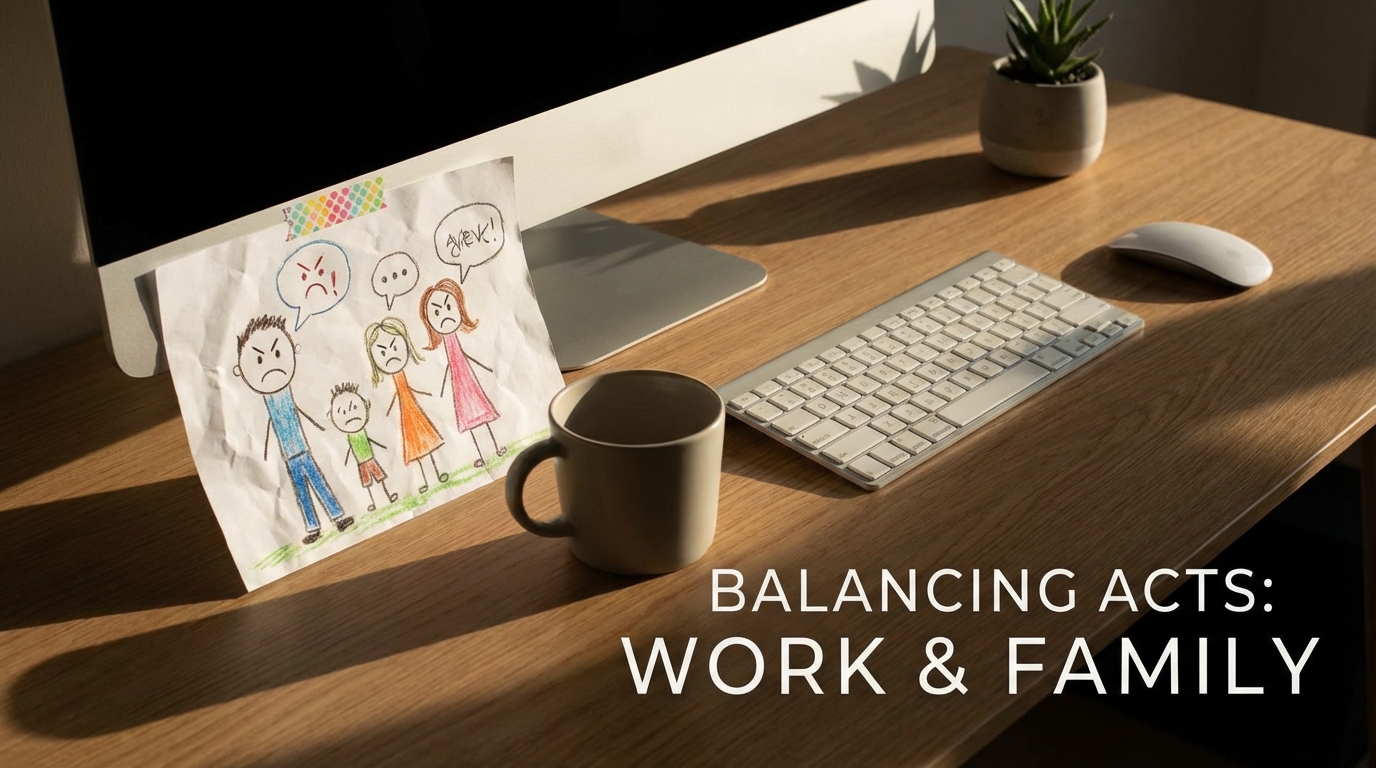
Someone at work was dismissive. Maybe aggressive. They twisted your words or refused to hear what you were actually saying. And now—three days later—you're still running the conversation through your mind. Why does one conversation ruin your whole week?
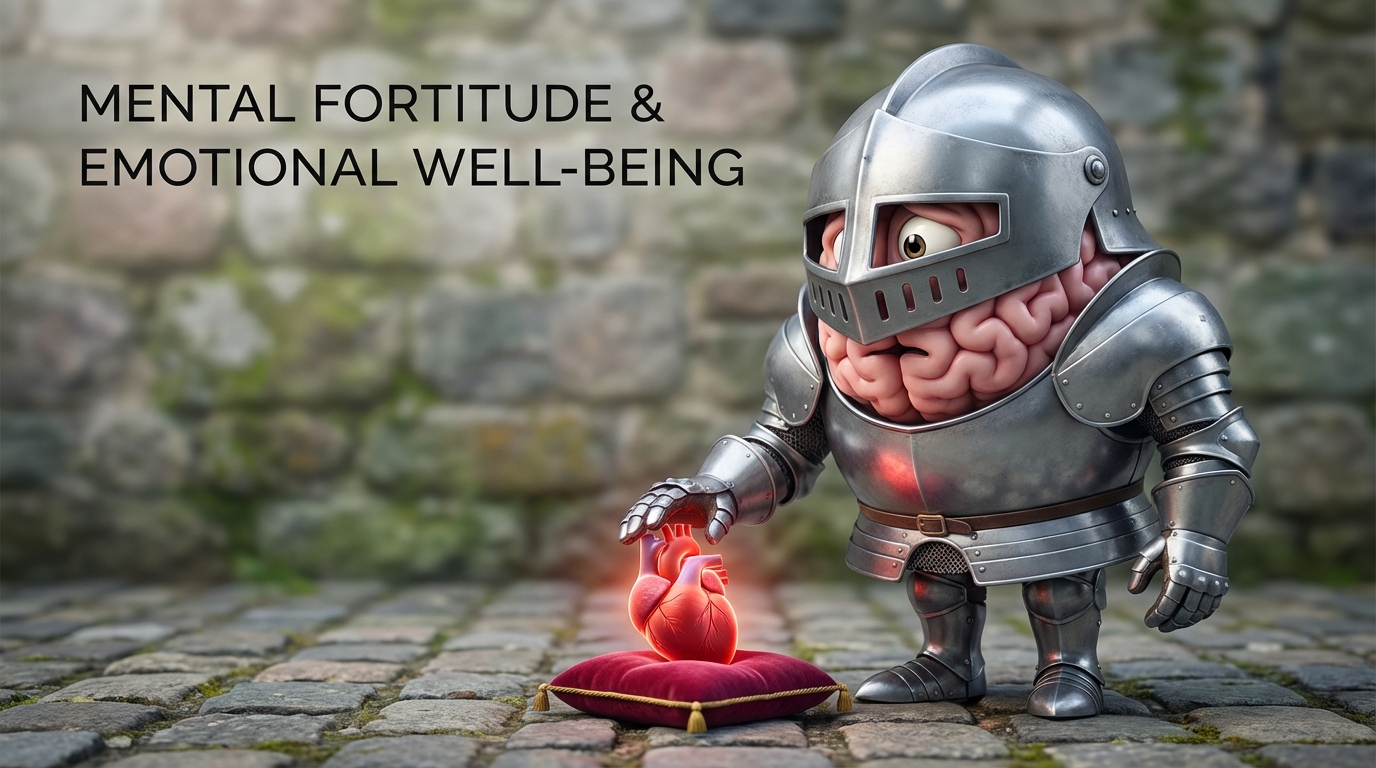
You know that feeling. The one where your mind won't stop scanning for threats—at work, at home, in every conversation. You're waiting for your manager to finally realize you're not good enough. What if that constant threat-detection is actually your brain protecting you?

You're holding it together. Job's stable. You're showing up for the people who matter. From the outside, everything looks fine. But inside? Your head is running at a hundred miles an hour. This is supposed to be a "good period." So why does it feel like running a marathon every single day?

You're on a large video call. Your camera is on. And somewhere in the back of your mind, a relentless narrator has taken over: Have I been too quiet? Should I say something? The internal monitoring feels protective—but it's the very thing making your anxiety worse.
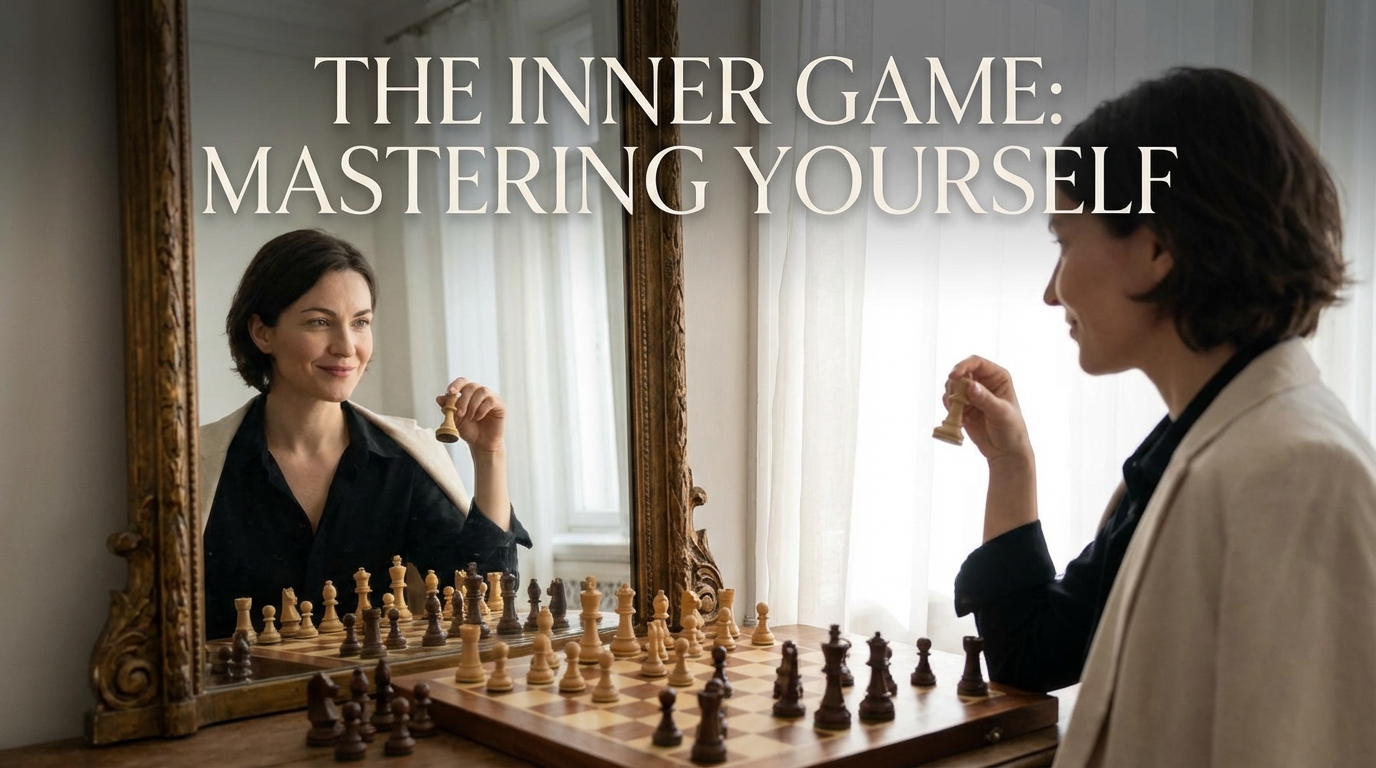
You're standing at the kitchen sink, hands in warm soapy water, trying to focus on the lemony smell of the washing up liquid. And then the voice appears. "I know what you're doing. I know you're trying to distract yourself from the anxiety." This is the meta-experience trap. Learn how to redirect your attention instead of fighting it.

You were fine last night. You even thought about the hard thing—your father's diagnosis, maybe, or some other weight you're carrying—and it felt manageable. Then you woke up crushed. Severe. Heavy. The kind of low that makes getting out of bed feel like pushing through concrete.

You're at a work event, and your mind is racing. Am I blushing? Do I look weird? What are my hands doing? Did I just sound stupid? You're trying to catch problems before they get worse. But here's what nobody tells you: that protective monitoring? It's not protecting you. It's the reason your anxiety never gets better.

You finish wiping the floor, the toilet seat, the handles, the tap. Then you wipe yourself down with antibacterial wipes. One minute, one wipe per surface. And for a moment—relief. But here's the strange thing someone noticed when they started delaying these rituals: the intrusive thoughts didn't pile up. They actually got quieter.
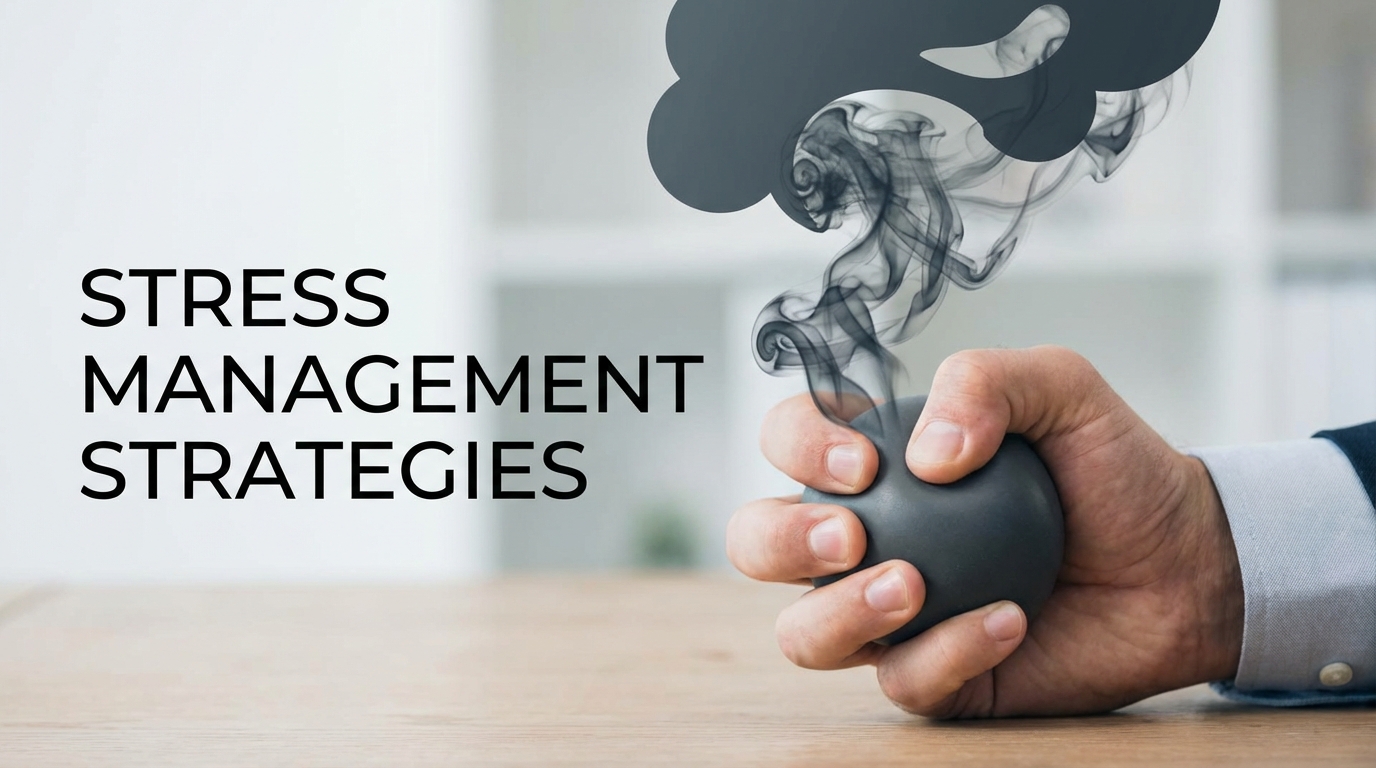
The thought arrives without warning. What if something terrible happens to them? Your stomach drops. Your chest tightens. And before you can even process what's happening, you're already praying. Here's what nobody tells you: the very strategy you're using to protect yourself is the reason the thoughts keep coming back stronger.

You've made real progress. The compulsive handwashing has dropped dramatically. You no longer need that shower the moment you get home from work. Your numbers are moving in the right direction. But there's this one thing that won't budge. The work toilet situation...

You followed the plan. You pushed yourself. And at the end of the week, you still did the thing you were trying not to do. So it was a failure. Right? Not so fast. If your exposure therapy journey has taken an unexpected turn—maybe life threw you into a situation way beyond what you were "supposed" to be working on...
There are three handles in your kitchen you have stopped using normally. One is near the bin—people touch it right after throwing rubbish away. The other two are by the laundry area, where hands meet handles after touching dirty clothes. You have watched it happen. You have seen the contamination...

You have done something most people never manage to do. You have mapped your OCD—counted every ritual, identified every trigger, catalogued the whole exhausting landscape. Twenty-one behaviors. Hand washing. Surface cleaning. Showering routines. And now you are staring at that list thinking: How am I supposed to work on 21 different things?
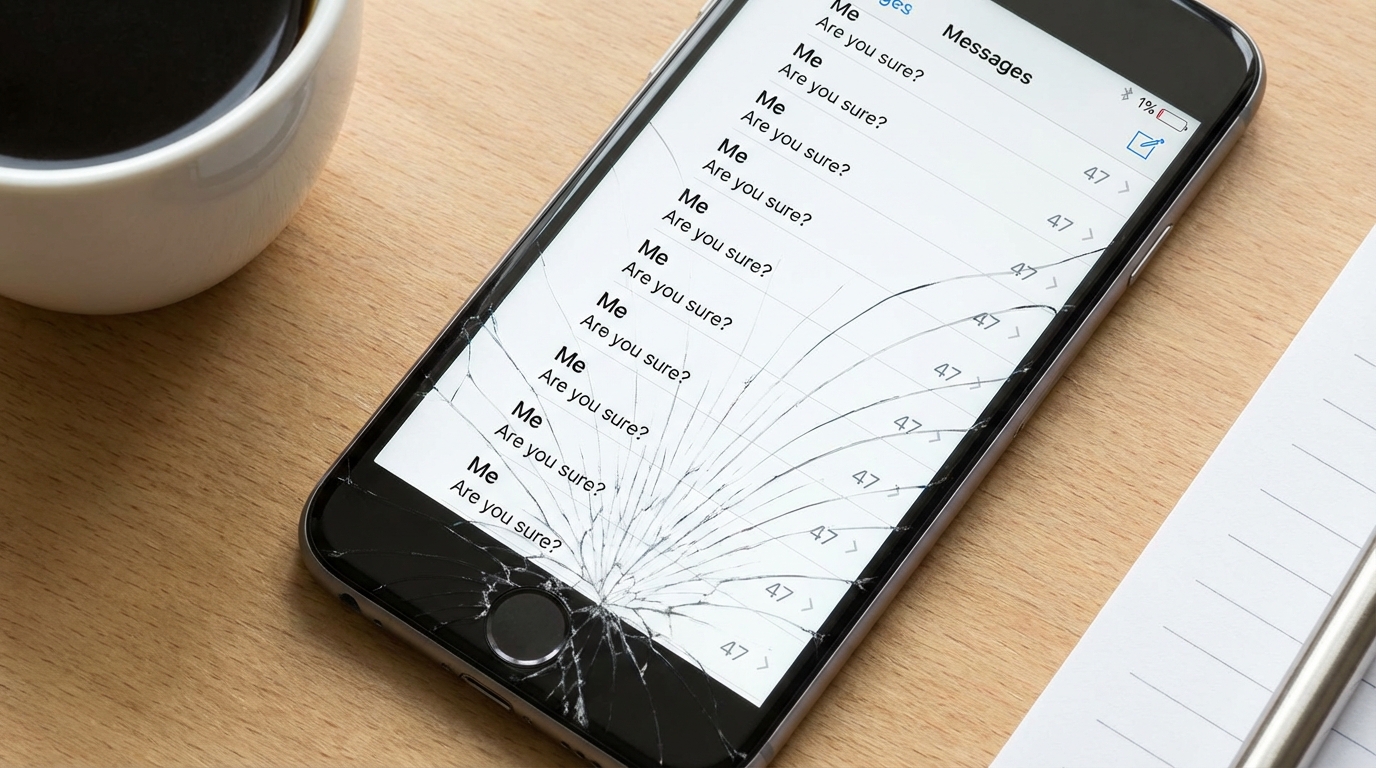
You touch a doorknob. Someone else touched it before you. And immediately, the thought arrives: What if I get seriously ill? So you wash your hands. Properly. With soap. And for a moment you feel okay. Then you start wondering: Did I wash thoroughly enough? And the nagging returns...
Two coworkers said it within the same week. "You seem more serious lately." "This isn't like you." You used to be the one people made jokes with. The person who could fire back something funny without thinking twice. Now you're reading a sarcastic message five times, trying to decode whether someone is actually upset with you...

You set three alarms. You still can't get up. You sleep 12, 13, 14 hours—and wake up feeling like you haven't slept at all. You've caught yourself nodding off at work, fighting to keep your eyes open during meetings that used to hold your attention...
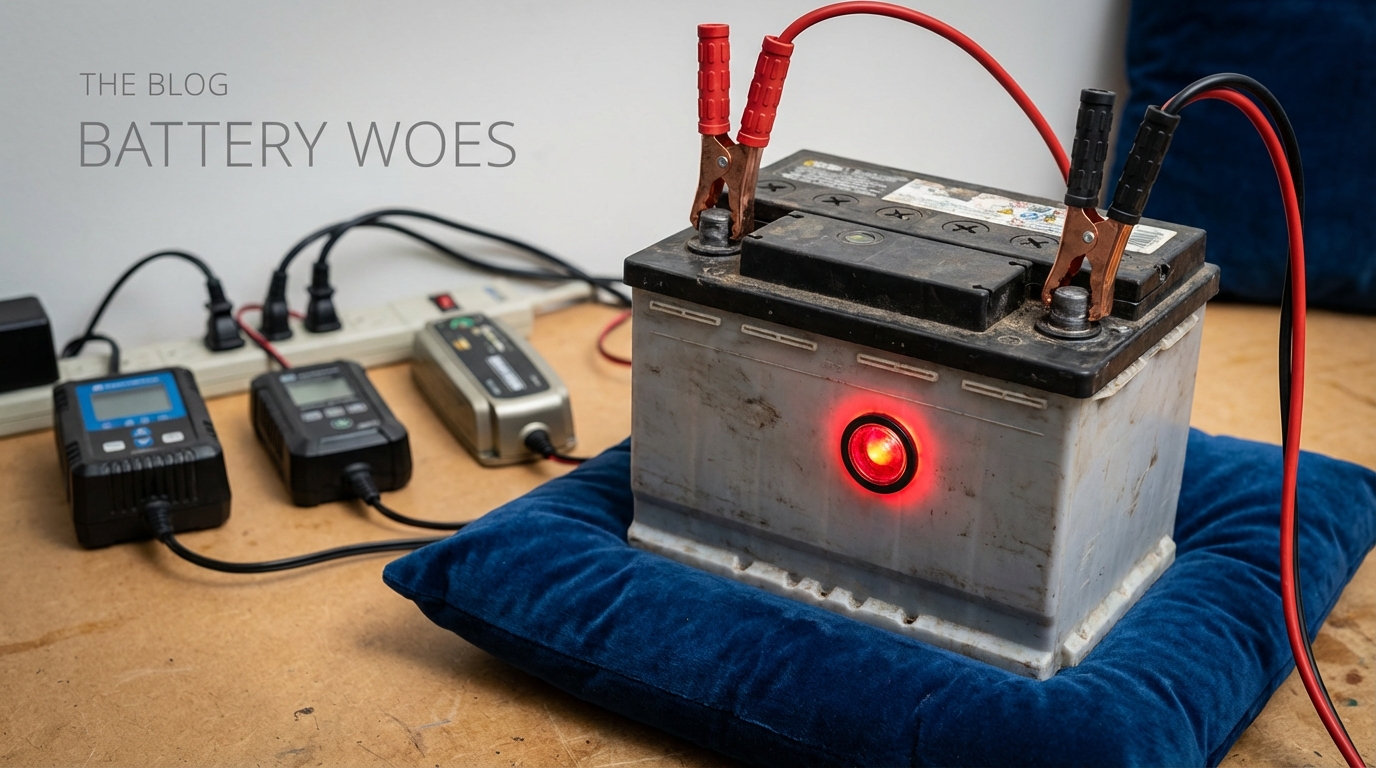
You set three alarms. You still can't get up. You drag yourself through the morning feeling like you're moving through wet concrete. By afternoon, you're fighting to keep your eyes open—sometimes losing that fight, even at work. Fourteen hours of sleep, and you wake up more exhausted than when you lay down...

You're sitting in the meeting room. Your hands are shaking. The words you rehearsed a dozen times are swimming on the page in front of you. You'd planned exactly what to say—and exactly what not to say. Then your mouth opens, and the one word you swore you wouldn't use comes out anyway...

It's 2 AM. You're exhausted. But your brain has other plans. The meeting replays. What she said. What you should have said. What's going to happen next. You think you've finally worked through it—and then twenty minutes later, you're right back at the beginning...
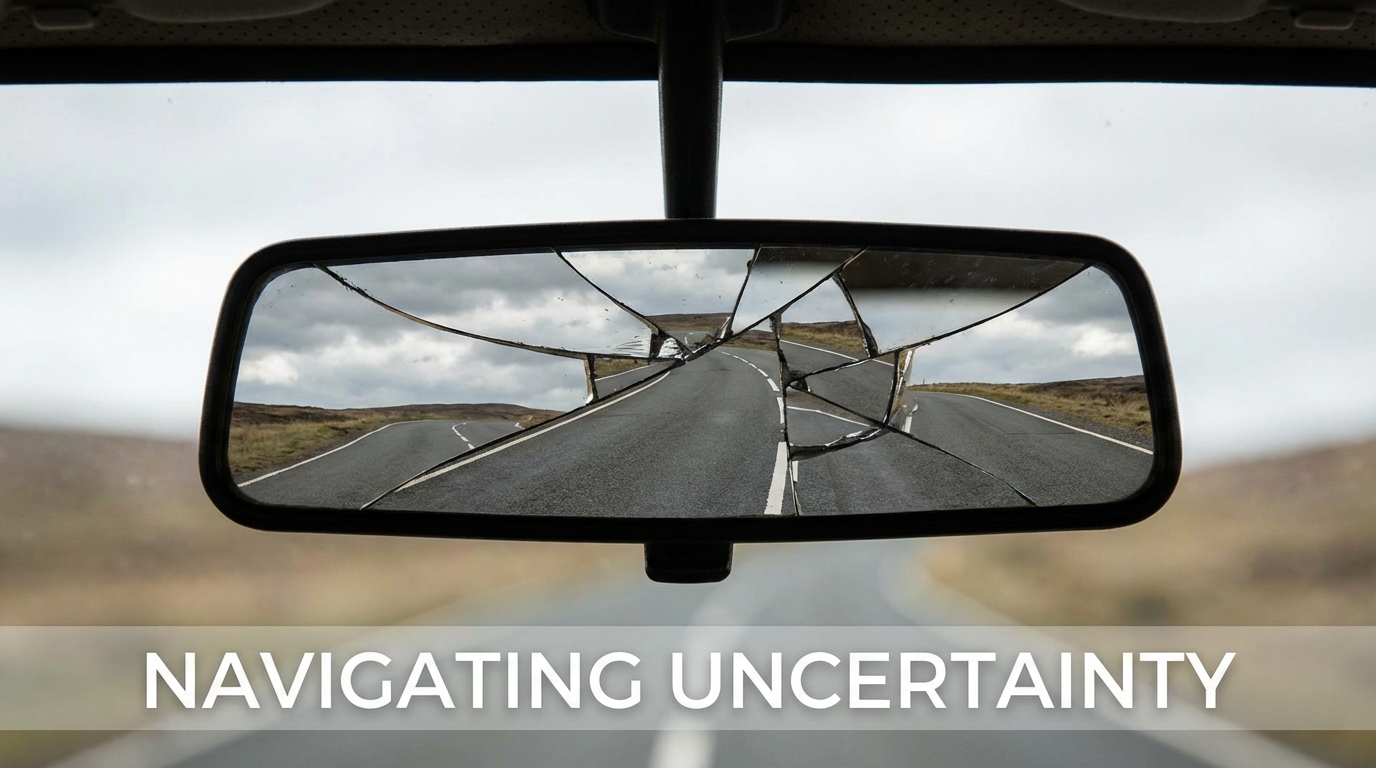
You have been in therapy for months. Maybe years. You have done the work—shown up to sessions, processed painful memories, challenged old beliefs. And yet you still turn around when you see certain people in the hallway...
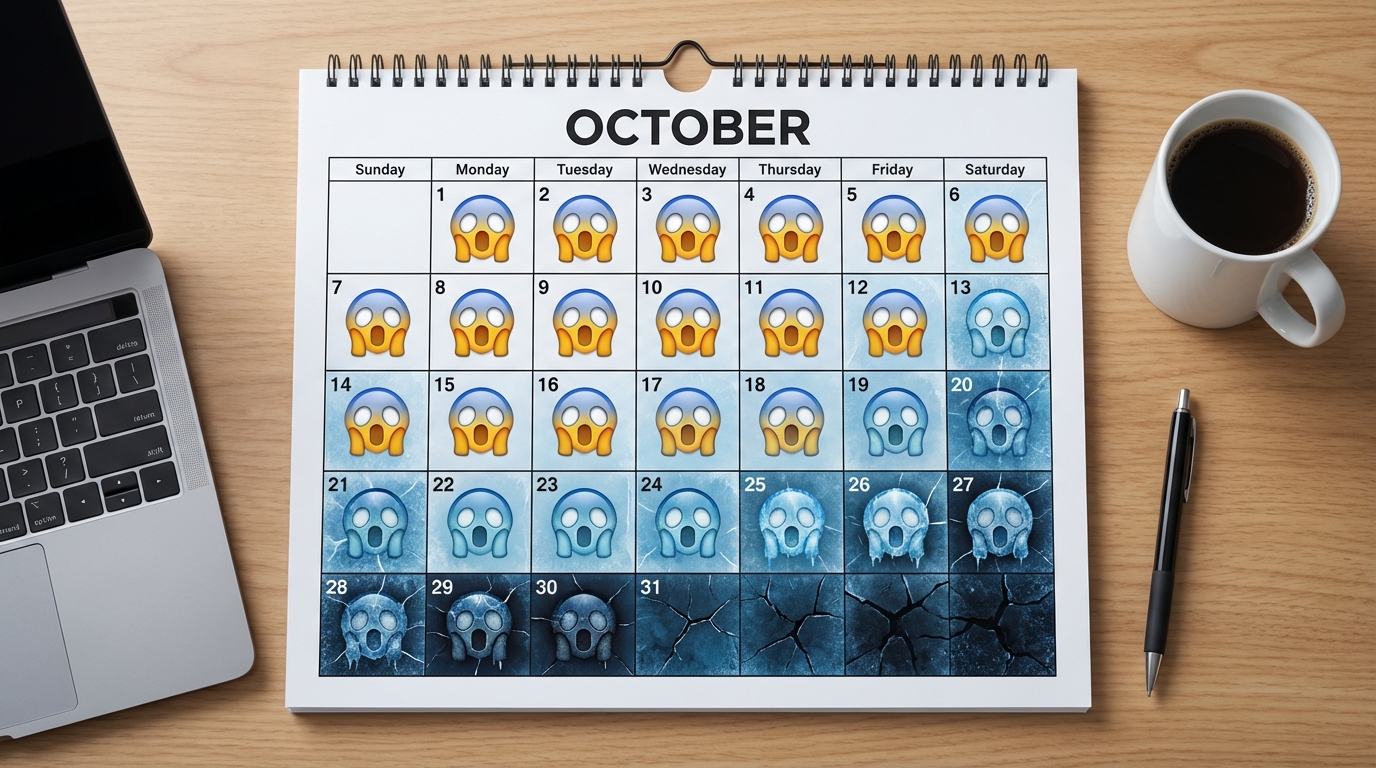
You're in a meeting. Someone unexpectedly calls on you as the technical expert on something you weren't prepared for. Suddenly your heart is pounding. You start sweating. Your vision narrows at the edges...

Your stomach drops when you see an email from HR. You analyze every word from your manager, looking for hidden meanings. A colleague seems short with you, and suddenly you're mentally preparing for the meeting where you'll be told you've done something unforgivable...

You know something is wrong. The workplace incident was relatively minor—an accusation from someone you barely interact with, maybe once every couple of months. HR will handle it. Logically, you understand this. But two weeks later, you're still off work...

You know the feeling. Part of you knows you shouldn't use. Another part doesn't care. And the part that doesn't care always wins. So you draw the obvious conclusion: I just don't have enough willpower. Except here's the thing—you're blaming the wrong culprit entirely...

You go for your morning run—the same run you've done for years—and you finish feeling... nothing. Not bad exactly, but not good either. It's like someone reached inside your head and turned down the volume on everything enjoyable...

You come home from a social event and the replay starts. That moment when you asked a question and got a short answer—did you say something wrong? Was it boring? You run through it again. And again. Fifty times, maybe more...
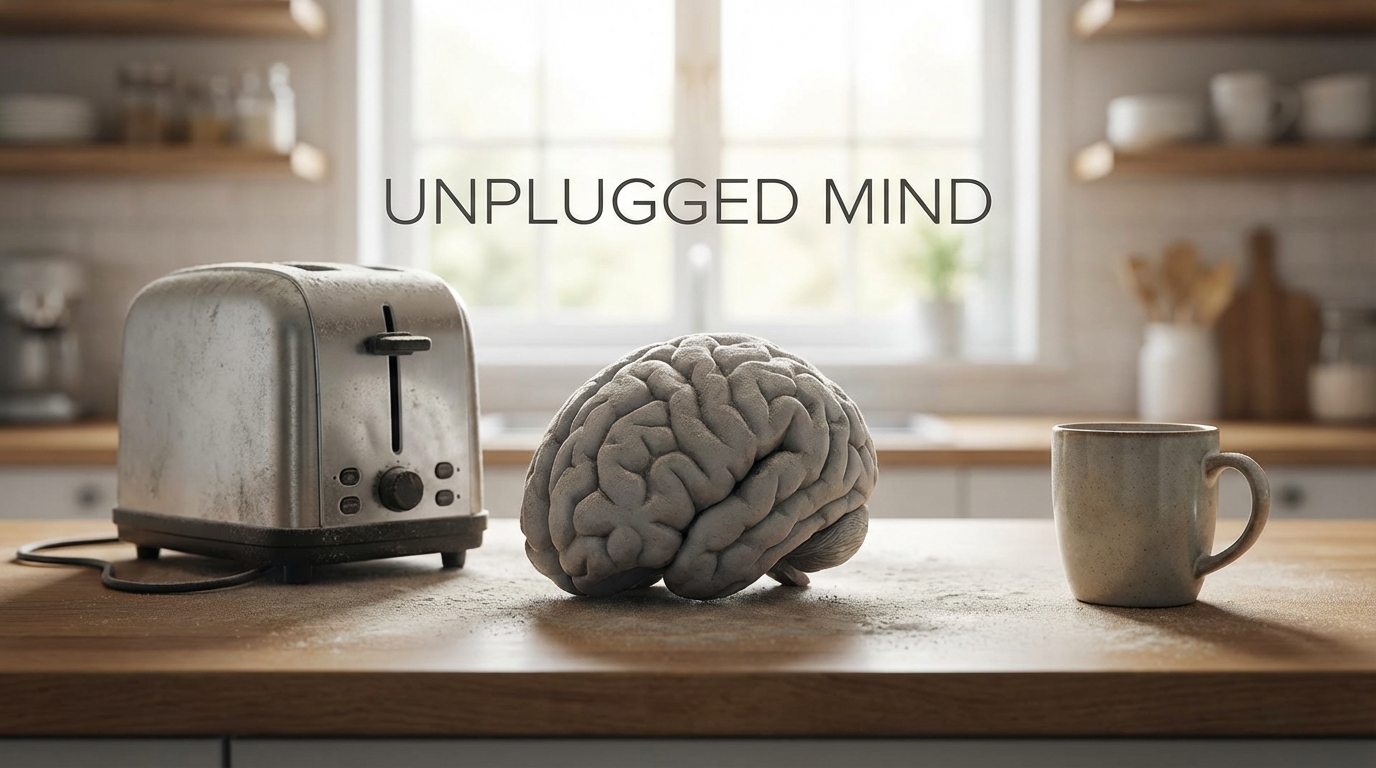
You get home from work. Your partner's away. The evening stretches out ahead of you, and nothing—absolutely nothing—seems worth doing. You could go for a walk. You could watch something. You could read. But these options don't just feel unappealing—they feel painfully boring...
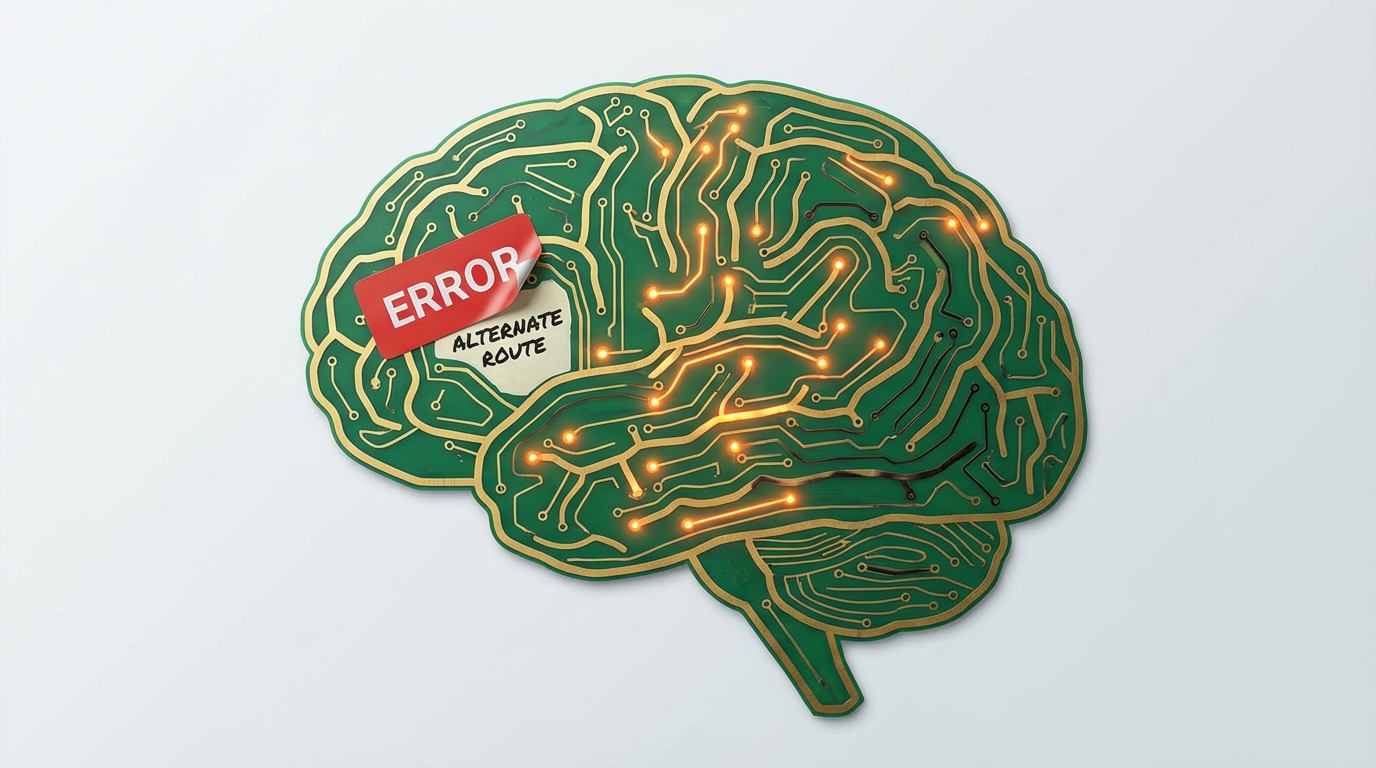
The check has been sitting on your desk for months. Maybe years. You know you need to cash it. You've thought about it dozens of times. You've planned to do it. And then... nothing. So you call yourself names. Lazy. Irresponsible. A loser...

You're getting ready for a party. That familiar dread starts creeping in. What if I'm boring? What if I have nothing to say? So you do what works. A line before you go. And suddenly—confidence. Except the next day, you're a vegetable on the couch...

You sat down to do the homework. Write about your fears. Face the thoughts about death, about not existing, about the end of consciousness. You wrote two words. Maybe three. And then your body said no. Not a gentle no. A full-system shutdown.

You've done everything right. Dimmed your screens. Adjusted your bedroom temperature. Cut back on caffeine. And still, night after night, the same pattern. Here's what nobody tells you: if you've tried all the standard sleep hygiene advice and nothing has worked, you're probably not dealing with a sleep problem.

You know the feeling. You're having a good moment—maybe laughing at something a friend said—and suddenly it hits you: I wasn't thinking about them. And then the guilt floods in. What if that guilt is based on a lie?

You've been running from your own mind — those catastrophic fears about your husband's heart, your dog getting sick, something happening to your son. By the end of this page, you'll stop running. The feelings won't destroy you.

By the end of this page, the 'yes' that escapes before you think will finally stop feeling like betrayal — and that's when you'll be able to work with your body on boundaries instead of against it.

You documented everything. You went to HR. You tried having a calm, direct conversation. And somehow, every single approach made things worse. If you're starting to wonder if you've lost your mind—stop. That confusion is important data.
By the end of this page, you'll have evidence you can count — evidence that automatic self-blame is a pattern, not who you are. So the next time that familiar flinch hits, you won't be trapped inside it.
You're good at solving problems. Maybe that's what you do for a living—quality improvement, engineering, operations. Or maybe you're just the person everyone calls when something breaks. Your brain has been trained to respond a certain way: Notice the problem. Analyze the cause. Implement the fix. Move on.

You used to be the strong one. First in your family to go to university. High-flying career. The person everyone counted on to hold things together when life got hard. And now you can't walk into your own living room without feeling sick.

You know the feeling. With your parents, you're one version of yourself. With your partner, another. At work, yet another. With different friend groups, you adjust, shift, reshape—and by the end of the day, you feel hollowed out.

You're with your spouse. Or your parents. Or colleagues at a work dinner. And instead of just being there, part of your mind is running calculations. What do they need from me right now? What's the right thing to say?
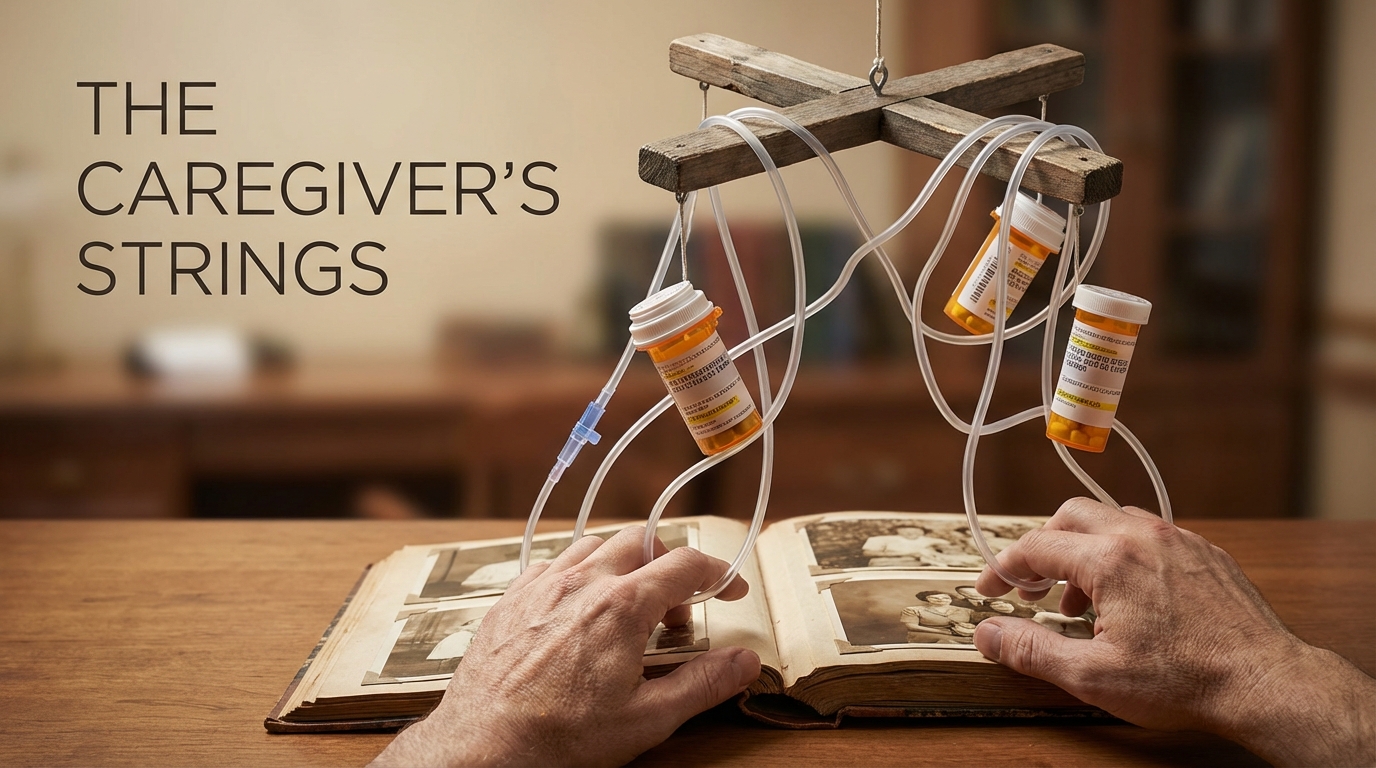
It's 3:17am. You're scrolling through your phone, reading nothing in particular, watching videos you won't remember tomorrow. You know you should be asleep. You have a brutal day ahead—doctor's appointments to coordinate, work deadlines you're already behind on.

You wake up after four or five hours of sleep. You go through the motions at work, but you are not sharp—and you know it. Your therapist showed you the numbers—your depression score dropped by half. So why does it still feel like you are stuck?

She offered support when your mother got sick. A week later, she threatened to dock your pay for visiting the hospital. He praised your work in Monday's meeting. By Thursday, he was suggesting you piggyback off colleagues' efforts.
The uncomfortable feeling starts in your stomach the moment they mention going out. Where are you going? Who's going to be there? What time will you be back? You try to keep the questions inside. But they push their way out anyway.

There's a thought that runs through the minds of many people who struggle after difficult experiences. It sounds something like this: "Real victims have objectively terrible things happen to them. War. Abuse. Tragedy everyone can see. My stuff? I should have handled it better."

Your manager sends you a message asking about a project deadline. Just a simple scheduling question. But you read it five times. Each time, you're certain there's something underneath it—she's questioning your competence, building a case, preparing to let you go.
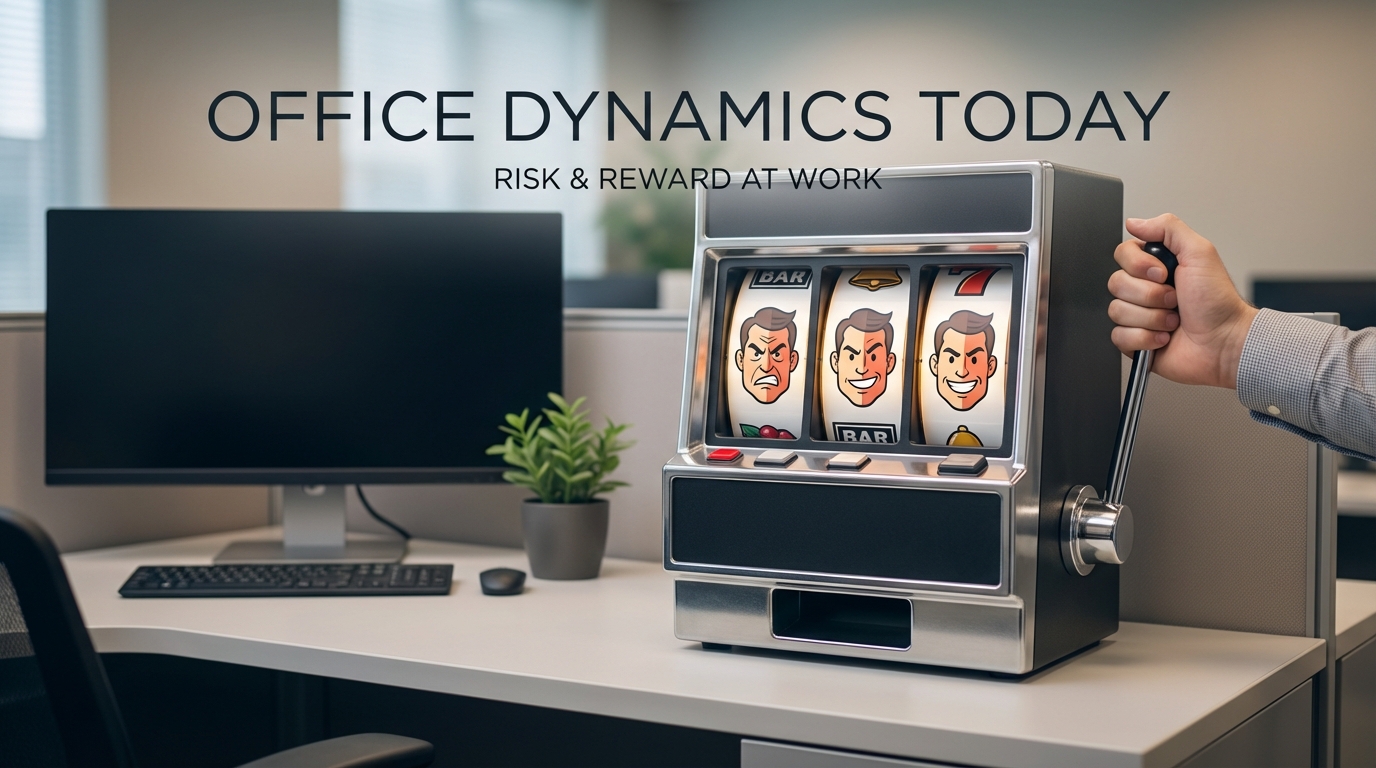
She offered support when your mother was rushed to hospital. For a moment—just a moment—you felt something shift. Maybe she finally sees you as a person, not just a resource to manage. Then she threatened to dock your pay for the same hospital visit.
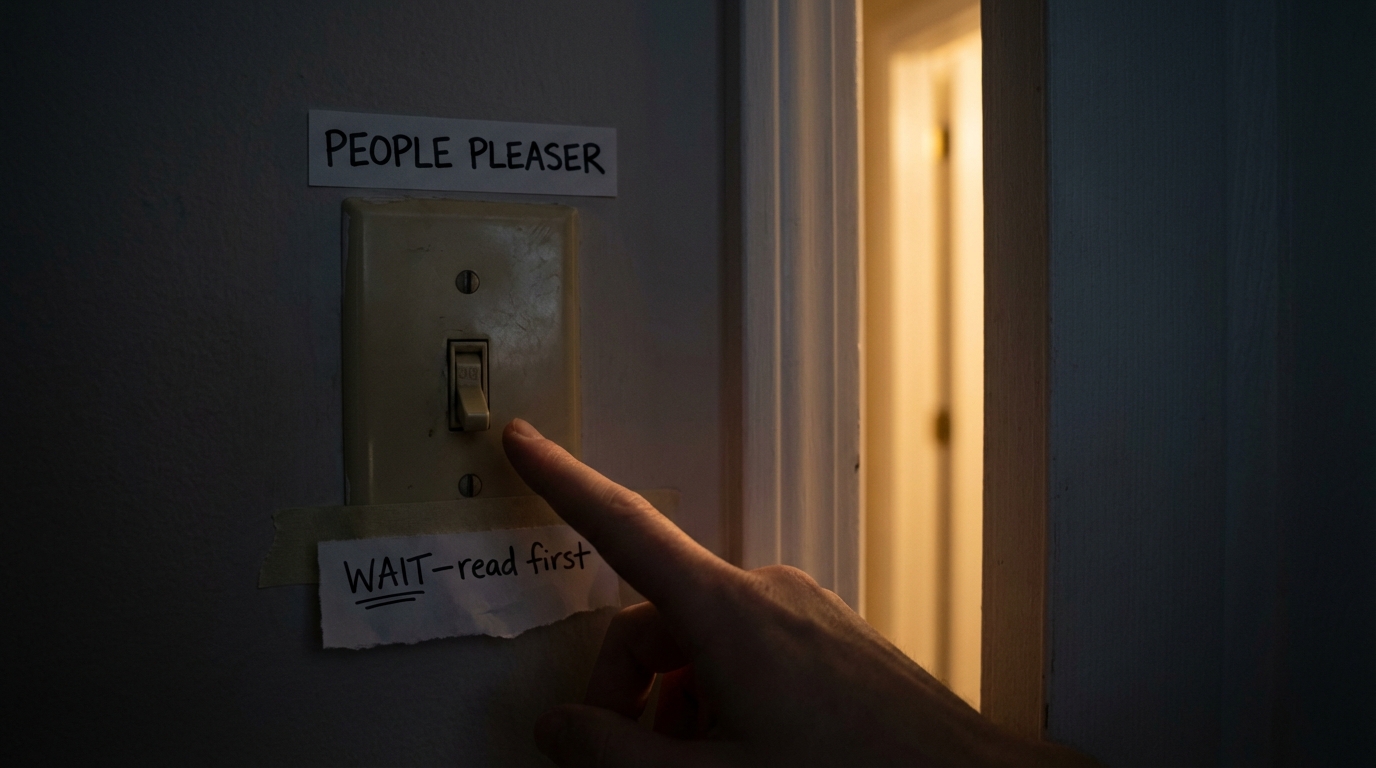
You're the reliable one. The person who shows up, who gets things done, who handles what others can't. You've presented at conferences while in severe pain. You've taken on seven extra projects because your colleagues couldn't finish them.

Your heart is pounding—150 beats per minute, maybe more. Your chest is tight. You can't catch your breath. And somewhere in the back of your mind, a voice is screaming: Something is seriously wrong. My body is shutting down.
You're in a meeting. Someone asks your opinion. And before you can even register what you actually think, you're already scanning faces, calculating what they want to hear. By the time you open your mouth, you're not sure anymore whether you're speaking your mind—or performing a version of yourself.
Three separate times, the police knocked on your door to tell you they'd found someone dead. Three times before they found your brother. Now you're waiting. Brain samples being tested. Results that could take months. A death certificate that lists only when he was found—not when he actually died.
The night before the funeral, your stomach was a disaster. You barely slept. And part of you felt ridiculous about it—like you were making yourself sick over something you should be able to handle. Then you got there. And watched as every granddaughter was handed a rose to place on the coffin. Every granddaughter except yours.
You wake up and you don't want to move. The blanket stays pulled up. Noon comes and goes. Getting dressed feels pointless because what's the point? If you're grieving someone while still waiting for answers, that frozen feeling isn't a sign you're failing at grief.
You've tried being reasonable. Sometimes you help, sometimes you hold firm. You explain your limits, then watch as the demands intensify anyway. The threats get worse. The guilt becomes crushing.
You know that feeling. It's not quite sadness. It's heavier than that - like carrying invisible bricks everywhere you go. The weight is there when you wake up. It's there on holiday. It's there when you should be enjoying a walk with your husband.
You're lying awake at 3am. Your mind won't stop. It feels like broken glass rattling around inside your head—sharp, chaotic, impossible to organize. And when someone says "just try not to think about it" or "you need to snap out of it," something inside you wants to scream.
Your heart is pounding. You're standing in the office kitchen, and a colleague is right there. You could say something. But your mind races with reasons not to. You do it anyway and nothing terrible happened. So why doesn't it feel like progress?
You've always been the reliable one. The one who follows through. So why does talking to colleagues feel exhausting? Why do you have no friends despite living somewhere for years?
You sit down to complete a task. Ten minutes later, you're working on something else entirely. Before you know it, you've touched six different things and finished none of them.

He shifts position on the couch. Just a stretch. Maybe. But it looks exactly like the movements before his last episode. Your chest tightens. The words are already forming: Are you okay?

You're running on empty. Not the kind of tired that sleep fixes—something deeper. A bone-level exhaustion that makes everything harder. And here's what makes it worse: you've been trying so hard.
You check the app again. Heart rate looks stable. You listen for his breathing. Still there. You scan for signs of distress. Nothing yet. But you don't relax. You can't.
Someone asks you for a favor. Before you've even processed the request, the word is already out of your mouth. "Yes." You didn't think about it. The response was automatic—like a reflex.
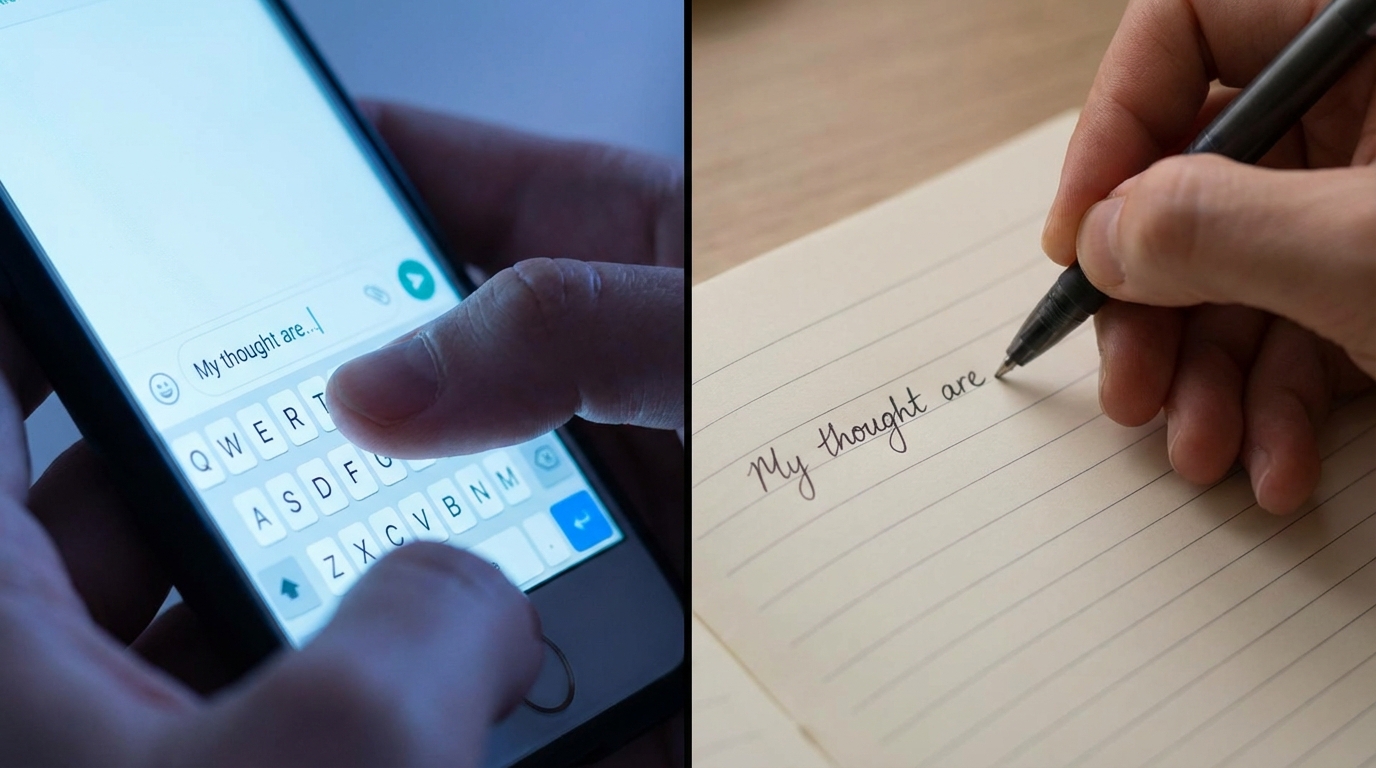
Yes — but I understand why you're asking. There's nuance here. A therapist recommending AI doesn't automatically make them good or bad. What matters is how they're doing it. Here's how to tell.

You're noticing the signs. Missed deadlines from people who never used to miss them. The spark gone from team meetings. This guide shows what the research actually says about why teams burn out and what works to prevent it.

If you've asked yourself whether you're becoming too attached to AI, you're not alone. Articles are circulating with alarming headlines about AI hijacking your brain. As a therapist with 27 years experience, I wanted to cut through the noise and give you something more useful than fear.

They said everything was fine. Right up until they handed in their notice. If you're a business owner trying to build a culture where people actually share when they're struggling, you've probably read the standard advice. But after 27 years of clinical practice, I can tell you they're not enough.

Something strange happens when new technology emerges. Within weeks, sometimes days, certain Christian circles reach consensus: "It's dangerous." But here's what troubles me: the speed and uniformity of these responses don't look like spiritual discernment. They look like something else entirely.

I've spent 27 years helping people recover from trauma. Over 1,600 people have walked through my doors, and one question keeps showing up: "What's my purpose?" The neuroscience says something completely different from traditional advice. Your brain doesn't find purpose—it constructs it.

Imagine a friend who agrees with everything you say. Every thought, every belief, every wild idea—validated without question. Available 24/7. Never judging. Never pushing back. Never telling you when you're wrong. Sounds helpful, right? Actually, for some people, it's destroying their grip on reality.

Picture this: You hire a career coach to fix your work stress, see a relationship therapist for marriage issues, work with a nutritionist for health goals, and consult a financial advisor for money problems. Each expert knows their field inside and out. Yet somehow, you're still struggling with the same underlying patterns across multiple areas of your life...

It's 6 PM on a Tuesday. The kitchen smells of roasted chicken and vegetables—a meal you chose specifically because your child ate it happily just last week. Your five-year-old takes one look at the plate and declares, "I hate chicken! I'm not eating this!" Your shoulders tighten. Your jaw clenches. Here we go again.

That wedding invite? It sat in Barbara's purse like a bomb. Just knowing it was there made her heart race. Her chest felt tight. Her sister was getting married in California...
Do you wake up feeling heavy, unmotivated, and dreading the day ahead? Morning depression is more common than you think, affecting millions of people...
